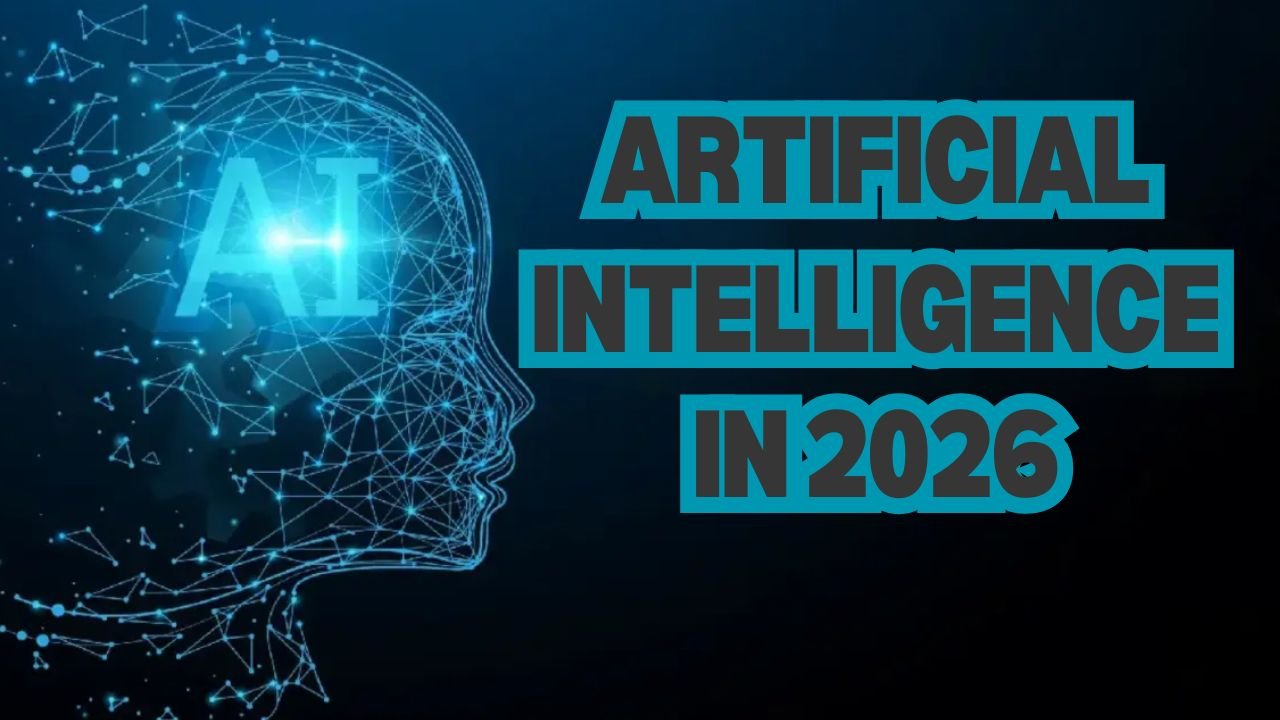
The digital world is evolving at a rapid pace. As we navigate through 2026, understanding the advantages and disadvantages of AI has become essential for anyone looking to stay competitive. Artificial Intelligence is no longer just a buzzword found in tech journals it’s the driving force behind our global economy, influencing everything from shopping habits to healthcare delivery.
Whether you’re a business owner seeking advanced digital marketing services or a student trying to understand the future of work, evaluating AI requires a balanced perspective. This article provides a comprehensive look at what AI is, how it benefits us, and the challenges it presents in our modern era.
What is AI?
To truly weigh the advantages and disadvantages of AI, we must first define what it has become. Artificial Intelligence (AI) is a branch of computer science that builds systems capable of performing tasks that typically require human intelligence. This includes reasoning, learning from patterns, making decisions, and even generating creative content.
In 2026, AI has moved beyond Narrow AI (simple tasks) into “Agentic AI” systems that don’t just answer questions but can actually execute complex workflows. AI is powered by Machine Learning (ML) and Deep Learning, allowing software to analyze massive datasets, detect trends, and improve its performance over time without direct human programming. It is, in essence, a simulation of human cognitive processes by machines, especially computer systems.
The Bright Side: Major Advantages of AI
The global adoption of AI is driven by its ability to solve problems that were once considered insurmountable. Here are the primary benefits:
Unmatched Efficiency and Productivity
AI doesn’t experience fatigue. While human workers need breaks and sleep, AI systems can operate 24/7. In central business districts and industrial zones, AI is used to manage logistics, monitor security, and handle customer service queries continuously. This constant availability ensures that operations never hit a bottleneck.
Elimination of Human Error
To err is human, but in fields like data entry, financial auditing, or surgical procedures, errors can be catastrophic. AI systems follow strict algorithms and don’t get distracted. When programmed correctly, they provide a level of accuracy that’s simply impossible for humans to maintain over extended periods.
Advanced Data Analysis and Digital Marketing Services
In the realm of digital marketing services, AI is a game-changer. It can analyze the behavior of millions of users in real-time to predict what they’ll buy next. This allows brands to:
- Deliver hyper-personalized advertisements
- Optimize search engine rankings using predictive SEO
- Automate social media engagement based on peak user activity
Handling Repetitive and Dangerous Tasks
AI is perfect for dull or dangerous jobs. Whether it’s sorting thousands of files in a digital library or exploring deep-ocean environments where human life would be at risk, AI takes on the burden, allowing humans to focus on higher-level creative and emotional work.
The Challenges: Disadvantages of AI
No technology is perfect. To have an honest conversation about the advantages and disadvantages of AI, we must address the significant hurdles it presents.
High Cost of Implementation
While the long-term ROI of AI is substantial, the initial cost is a barrier for many. Developing custom AI models requires expensive hardware, specialized software, and highly paid experts. For a small startup or a local retail shop in a busy shopping district, the “entry fee” for high-end AI can be prohibitive.
Job Displacement and the Skills Gap
Automation is dramatically changing job markets. Roles that involve repetitive data processing or basic administrative tasks are being phased out. While AI creates new jobs (like AI ethics officers and prompt engineers), there’s a significant “skills gap” where the current workforce may not have the technical training to fill these new roles.
Lack of Emotional Intelligence (EQ)
AI can simulate conversation, but it cannot truly feel empathy. In fields like mental health counseling, high-stakes leadership, or creative arts, the “human touch” is irreplaceable. AI lacks the moral compass and the nuanced understanding of cultural contexts that a human professional provides.
Privacy and Ethical Concerns
AI thrives on data. This raises significant questions about how our personal information is collected and used. Additionally, if an AI is trained on biased data, it will produce biased results. This can lead to unfairness in recruitment, law enforcement, and financial lending if not monitored by human experts.
How to Evaluate AI for Your Personal or Professional Life
When deciding whether to integrate AI into your daily routine or business model, consider this three-step evaluation:
- Identify the Use Case: Don’t use AI just because it’s trendy. Identify a specific problem such as slow response times or data errors and see if an AI tool exists to fix it.
- Analyze Data Privacy: Always check where your data goes. If you’re using AI for sensitive business reports, ensure the platform has enterprise-grade security.
- Human-in-the-Loop (HITL): Always have a human review AI output. AI should be an assistant, not the final decision-maker.
Future Trends: Where is AI Heading?
As we look toward the end of 2026 and beyond, we see several emerging trends:
- Edge AI: AI that processes data directly on your device (like your phone or smart fridge) rather than in the cloud, making it faster and more private.
- Multimodal AI: Systems that can understand and generate text, images, video, and audio simultaneously.
- Green AI: A global movement to make AI models more energy-efficient to protect the environment.
FAQs
What are the primary advantages and disadvantages of AI?
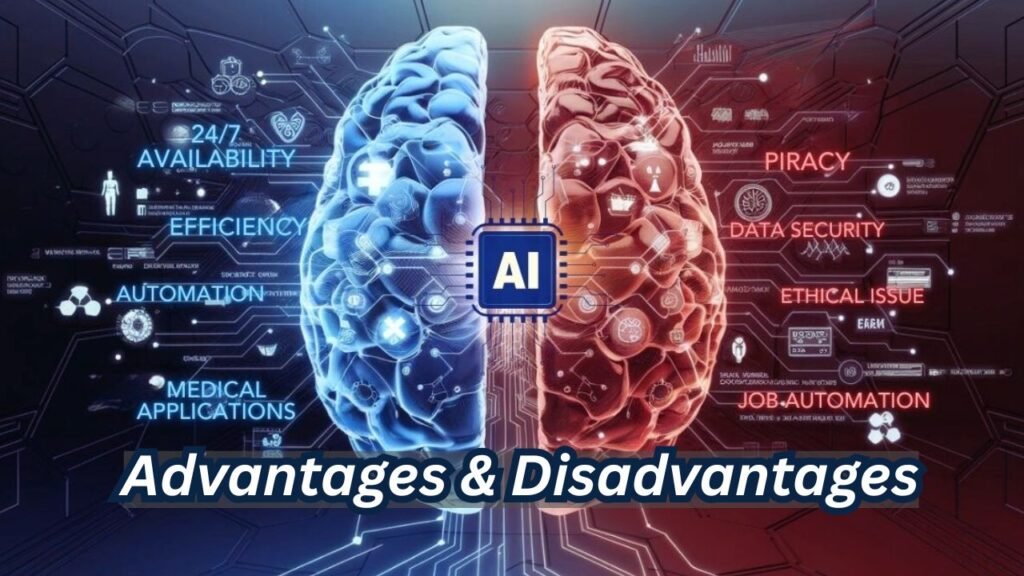
The main advantages are 24/7 efficiency, error reduction, and the ability to process big data. The main disadvantages include high setup costs, the potential for job displacement, and ethical concerns regarding data privacy.
Is AI going to replace human creativity?
No. AI is a tool that enhances creativity by handling the technical and repetitive aspects of art and writing. However, it lacks the lived experience and emotional depth that define true human innovation.
How does AI help in digital marketing services?
AI optimizes marketing by predicting customer behavior, automating ad placements, and providing personalized content recommendations. It helps businesses achieve a higher return on investment (ROI) by targeting the right audience at the right time.
Is my personal data safe with AI?
It depends on the platform. Reputable AI providers use encryption and have strict privacy policies. However, users should always be cautious about sharing sensitive or personal information with public AI models.
Conclusion
In summary, evaluating the advantages and disadvantages of AI reveals that it’s a powerful “force multiplier.” It gives us the speed and scale we lack, but requires our ethics and empathy to function safely.
As we move forward in 2026, the goal should be Artificial Intelligence (AI) where machines handle the data and humans handle the vision. Whether you’re using AI to streamline your digital marketing services or to manage your schedule, the key is to stay curious and keep learning.
Are you ready to embrace the future? Start by identifying one repetitive task in your day and see how an AI tool can help you reclaim your time. The digital revolution is here. Let’s make it work for us.