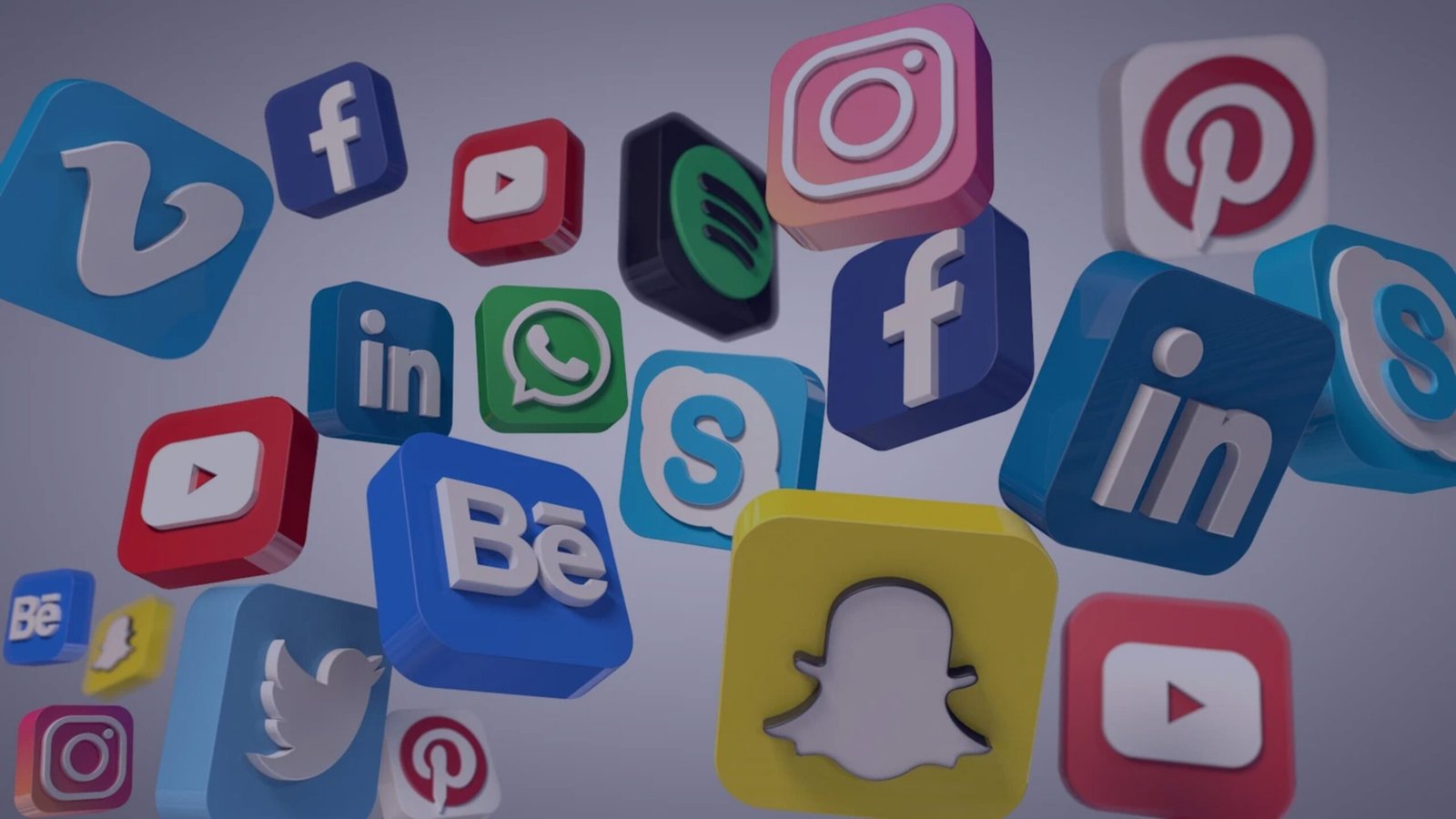
Social media connects businesses with customers, builds brand awareness, drives sales, and ensures long-term growth in today’s highly competitive digital world
What’s Social Media Marketing?
Social media marketing refers to using platforms like Facebook, Instagram, TikTok, and LinkedIn to promote products or services, connect with target audiences, and build stronger customer relationships.
Why Social Media Matters for Businesses
Social media matters because it allows businesses to reach audiences where they spend most of their time online, creating opportunities for growth, visibility, and direct engagement.
Organic vs Paid Social Media: What’s the Difference?
Organic Social Media (Free Reach)
Organic social media refers to unpaid content, such as posts, stories, and community interactions, that build brand trust, encourage engagement, and create authentic customer connections over time.
Paid Social Media (Advertisements & Promotions)
Paid social media includes sponsored posts, ads, and promotions that allow businesses to reach specific audiences quickly, driving website traffic, leads, and sales with measurable ROI.
Best Social Media Platforms for Marketing in 2025
Facebook – Still the King of Reach
Facebook remains the largest social media platform, giving businesses access to billions of users, advanced targeting options, and opportunities to run both organic and paid campaigns effectively.
Instagram – Visual Storytelling at Its Best
Instagram thrives on visual content, making it ideal for businesses to showcase products, build brand identity, and connect with younger audiences through reels, stories, and influencer marketing.
LinkedIn – B2B Powerhouse
LinkedIn is the leading social media platform for B2B companies; consequently, it allows professionals to network, generate leads, and establish thought leadership through content, posts, and targeted ads.
TikTok – Short Videos, Big Impact
TikTok has revolutionized social media with short-form videos, offering businesses creative ways to reach younger demographics, go viral, and build brand awareness with engaging content.
YouTube – Long-Form Video Marketing
YouTube is the major platform for long -time video content. This allows businesses to share valuable materials such as tutorials, product reviews and brand stories. In addition, its integration with Google Search enhances visibility and discovery.
X (Twitter) – Real-Time Conversations
X, formerly Twitter, excels at real-time communication, making it perfect for customer service, trending conversations, and staying relevant during fast-moving discussions.
Pinterest – Inspiring Product Discovery
Pinterest inspires consumers with lifestyle and product ideas, offering businesses opportunities to drive traffic, influence purchases, and promote visually attractive products.
Key Benefits of Social Media Marketing
Build Brand Awareness
Social media helps businesses build strong brand recognition, expand visibility, and reach new audiences across multiple platforms without geographical limitations.
Engage and Nurture Customers
Through comments, direct messages, and interactive posts, businesses can answer questions, build trust, and nurture long-term customer relationships.
Drive Website Traffic and Leads
By sharing blogs, product links, and promotions, social media generates quality website traffic and captures leads for future sales opportunities.
Improve Customer Loyalty
With personalized engagement and consistent communication, businesses foster loyalty and encourage repeat purchases. As a result, they build strong communities around their brands.
Winning Social Media Strategies
Create Valuable & Shareable Content
High-quality content that educates, entertains, or solves problems encourages users to share, helping businesses expand reach and authority.
Use Storytelling to Connect Emotionally
Brands that tell authentic stories about their journey, values, or customer experiences connect emotionally with audiences, making campaigns more relatable and effective.
Leverage Influencers and Collaborations
Working with influencers and industry partners expands reach, builds credibility, and targets niche audiences with trusted recommendations.
Run Targeted Ad Campaigns
Social media ads allow businesses to run highly targeted campaigns, reaching audiences based on demographics, interests, and behaviors, maximizing ROI.
Track Performance with Analytics
Analytics tools help track engagement, conversions, and campaign effectiveness, ensuring strategies continuously deliver measurable results.
Challenges Every Brand Faces on Social Media
Algorithm Changes
Constant algorithm changes reduce organic reach, requiring businesses to adapt strategies regularly to maintain visibility.
Ad Fatigue and Content Saturation
Audiences often face repetitive ads and excessive content, making it essential for businesses to create fresh, creative, and engaging posts.
Maintaining Consistency
Many businesses struggle with consistent posting and branding, weakening their presence. Consistency is critical for trust and growth.
Dealing with Negative Feedback
Social media exposes brands to negative comments and reviews, requiring careful response and reputation management.
The Future of Social Media Marketing
AI-Powered Content Creation
Artificial intelligence enables automated content creation, predictive analytics, and personalized recommendations, improving engagement and effectiveness.
Social Commerce & In-App Shopping
Social commerce allows users to shop directly within apps, making social media a powerful sales channel for businesses.
Rise of Short-Form Video
Short-form video continues to dominate with reels, stories, and clips, making it one of the most effective marketing tools.
FAQs
Why is social media important for businesses?
It increases brand visibility, builds customer connections, and generates leads effectively.
Which is the best social media platform for small businesses?
Facebook and Instagram are the most affordable and engaging options.
Does social media marketing really increase sales?
Yes, with the right strategy, social media can drive sales and conversions.
How often should businesses post on social media?
Several times per week to maintain engagement and visibility.
Is organic social media enough for growth?
It builds trust, but combining it with paid ads ensures faster growth.
Conclusion
Social media is no longer optional; Instead, it has become necessary for business success.It combines businesses with global audiences, increases visibility, and runs meaningful engagement. In addition, using storytelling, impressive cooperation, and targeted advertisements, businesses can be ahead of contestants in the developed digital scenario. In addition, with constant stage changes and increasing trends, social media remains an important driver of development for every business.
Don’t wait start today and see results sooner than you think. Get Started Now → www.thealifa.com